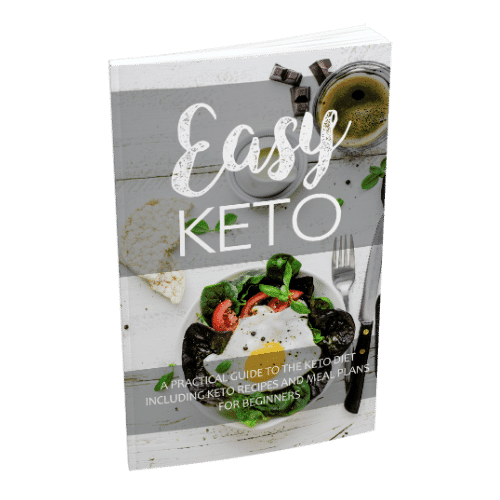
Are you a menopausal woman struggling with weight gain? You may have researched different ways to tackle your problem only to discover the ketogenic diet as an option. The Keto Diet is an incredibly popular method of eating for those aiming to lose and manage their weight, but it’s important to understand both its positives and negatives before jumping into the lifestyle. If you are considering going down this route, our Easy Keto guide from the experts here at Keto for Menopause can help lay out all of the pros and cons so that you can make an informed decision on whether or not this routine is right for you!
LEARN MORE ABOUT HORMONE REPLACEMENT THERAPY FOR MENOPAUSE SYMPTOMS
Benefits of a Keto Diet for Menopause Weight Gain
Menopause can be a challenging time for women, with some experiencing weight gain and increased difficulty in losing weight. However, the keto diet offers a promising solution for those struggling with menopause-related weight gain. By significantly reducing carbohydrate intake and replacing it with healthy fats, the keto diet can help improve insulin levels and support weight loss. Additionally, keto can contribute to feelings of fullness and reduce appetite, making it easier to maintain a calorie deficit. Studies have shown that the keto diet can lead to significant weight loss and improved body composition, making it an effective and sustainable approach to managing menopause weight gain.
a. Improved energy levels
Do you ever feel like you’re constantly running on fumes? It’s inevitable that we all experience fatigue from time to time, whether it’s due to a late night out, a hectic schedule, or simply the stresses of daily life. But what if I told you there was a way to boost your energy levels and help you power through your day with ease? From getting enough sleep and staying hydrated to incorporating regular exercise and eating a balanced diet, there are a variety of ways you can improve your energy levels and leave fatigue in the dust. Trust me, your body will thank you for it.
b. Decreased appetite and cravings
When our appetite decreases, it can be difficult to find the motivation to eat a healthy, balanced diet. We may rely on high-sugar or high-calorie snacks to fill the void, leading to weight gain and a general feeling of sluggishness. However, there are ways to combat decreased appetite and cravings. One strategy is to focus on small, frequent meals throughout the day instead of larger ones. This can help jumpstart your metabolism and keep your energy levels consistent. Additionally, filling your plate with colorful fruits and vegetables can provide the nutrients your body needs to function properly, even when your appetite is low. With a bit of mindfulness and creativity, we can work through our decreased appetite and cravings in a healthy and sustainable way.
c. Improved overall health
Maintaining good health is a fundamental aspect of leading a fulfilling life. Improving your overall health can have a dramatic impact on your daily routine, from increased energy levels to improved mental clarity. Engaging in regular exercise, eating a balanced diet, and reducing stress can all contribute to achieving optimal health. When we prioritize our health, we open the door to a wealth of opportunities, including greater productivity at work, better sleep, and stronger relationships with those around us. Investing in ourselves by focusing on our health is a choice that can benefit every aspect of our lives. So why wait? Start making improvements to your health today and experience the benefits for yourself!
Tips to Make your Keto Diet Safe and Effective
The ketogenic diet is a popular eating plan that has helped many people lose weight and improve their overall health. While it can be highly effective, starting a keto diet can be a bit overwhelming. It’s important to make sure you are doing it safely and effectively. Here are a few tips to help you get started: First, make sure you are consuming enough healthy fats to stay in ketosis. Second, be sure to also consume enough protein to maintain muscle mass. Third, eat plenty of low-carb vegetables to get adequate fiber and nutrients. Fourth, stay hydrated and supplement with electrolytes. Lastly, listen to your body and don’t hesitate to seek the advice of a healthcare professional before starting any new diet. With these tips in mind, you can safely and effectively start your keto journey and reap the benefits of this popular diet.
a. Increase water intake and stay hydrated
Water is essential for all living beings to survive and function optimally. If you’re looking for a simple and effective way to maintain your health, increasing your water intake is a great place to start. Drinking enough water helps you stay hydrated, which in turn helps to regulate body temperature, flush out toxins, and keep your skin looking fresh and healthy. Whether you’re hitting the gym, spending time outdoors, or simply going about your day-to-day routine, it’s important to drink plenty of water to keep your body performing at its best. So next time you reach for that coffee or soda, consider swapping it out for a glass of water instead. Your body will thank you!
b. Eat enough healthy fats to keep your body fueled
Healthy fats are often misunderstood and overlooked in many diets. However, they are essential nutrients that the body needs to function optimally. Healthy fats are found in foods such as nuts, avocados, and fish. Incorporating these foods into your meals can help keep your body fueled and satisfied. Not only do they provide long-lasting energy, but they also contribute to healthy skin, hair, and brain function. So, instead of fearing fats, embrace them and make sure to include enough healthy fats in your diet for a happy, healthy body.
c. Monitor your ketone and glucose levels regularly
Monitoring your ketone and glucose levels regularly is crucial on a ketogenic diet. By measuring your levels, you can determine if you are in a state of ketosis and if your diet is effectively managing your blood sugar levels. Ketone meters can be used to measure your ketone levels while glucose meters measure your glucose levels. It is recommended to test your levels in the morning before eating and about two hours after eating. Keep in mind that everyone’s optimal levels will vary, so it’s important to regularly consult with your healthcare provider to determine your ideal ranges. By staying on top of your levels, you can ensure you are on the right track to reaching your health goals.
The Bottom Line – Is the Keto Diet Right for You During Menopause?
Menopause can be a challenging phase for women who are often left overwhelmed by its symptoms, including weight gain, bloating, and sleep disturbances. Many may turn to popular diets, such as the keto diet, to not only lose weight but to alleviate these symptoms. However, is the keto diet truly the answer? While it may provide some benefits, it may not be suitable for everyone. It’s vital to seek guidance from a nutritionist or healthcare provider to determine if the keto diet is appropriate for your body during menopause. Only with personalized guidance can you make an informed decision about whether the keto diet is the right choice for you.
a. Consider all options and speak to your doctor before making any dietary changes during menopause
Menopause can be a challenging time for many women. As our bodies change, so do our nutritional needs. It’s essential to consider all options before making any dietary changes during this time. Speaking to your doctor can help you understand your specific needs and create a plan that works best for you. Your doctor can suggest the best foods to eat and what to avoid based on your health history and symptoms. Don’t be afraid to ask questions or voice your concerns. By working together, you can improve your overall health and make this transition as seamless as possible.
b. Utilize our free keto guide specifically designed for menopause weight gain available on our website!
Menopause is a natural phase in every woman’s life, but it’s no secret that it can bring its own set of challenges. One of the most frustrating challenges is the weight gain that often accompanies menopause. But don’t worry, we’ve got you covered! Our free keto guide, which makes is easy for women dealing with menopause weight gain, is available on our website. This guide provides all the information you need to follow a keto diet that can help you shed those pesky pounds and feel your best. So let us help you take control of your health and well-being during this time. Download our free keto guide today and start feeling like yourself again!All in all, utilizing a keto diet for menopause weight gain can be immensely beneficial, but like any dietary change, it is important to consider all possible risks. Despite the potential risks of the keto diet, you can make your keto lifestyle safe and effective with simple tips such as increasing water intake and monitoring your ketone and glucose levels regularly. Ultimately, it is up to you to determine whether this approach is suitable during menopause – speak to your doctor before making any decisions. If you are looking for more detailed information on using the keto diet for menopause, Keto For Menopause offers access to a Free Keto Guide available on our website that provides helpful meal plans, advice and guidance. Don’t let menopausal weight issues control you any longer – start achieving your optimum health today with Keto For Menopause!
LEARN MORE ABOUT HORMONE REPLACEMENT THERAPY FOR MENOPAUSE SYMPTOMS