Understanding the Cost of Ozempic: Factors, Considerations, and Alternatives

Understanding the Cost of Ozempic: Factors, Considerations, and Alternatives
We are a participant in the Amazon Services LLC Associates Program, an affiliate advertising program designed to promote a means for us to earn fees by linking to Amazon.com and affiliated sites. When you click on and/or make a purchase through a link to Amazon affiliate link placed on our website, we may receive a small commission at no additional cost to you.

For women exploring options to manage their health during menopause, the cost of medications like Ozempic can be a significant consideration. Ozempic, a GLP-1 receptor agonist prescribed primarily for type 2 diabetes and weight management, has gained attention for its potential benefits. However, understanding the financial implications of Ozempic treatment is crucial for making informed decisions about healthcare. In this blog post, we’ll delve into the factors that contribute to the cost of Ozempic, explore strategies for managing expenses, and consider alternative approaches that may offer comparable benefits at a lower cost.

Understanding the Cost of Ozempic:

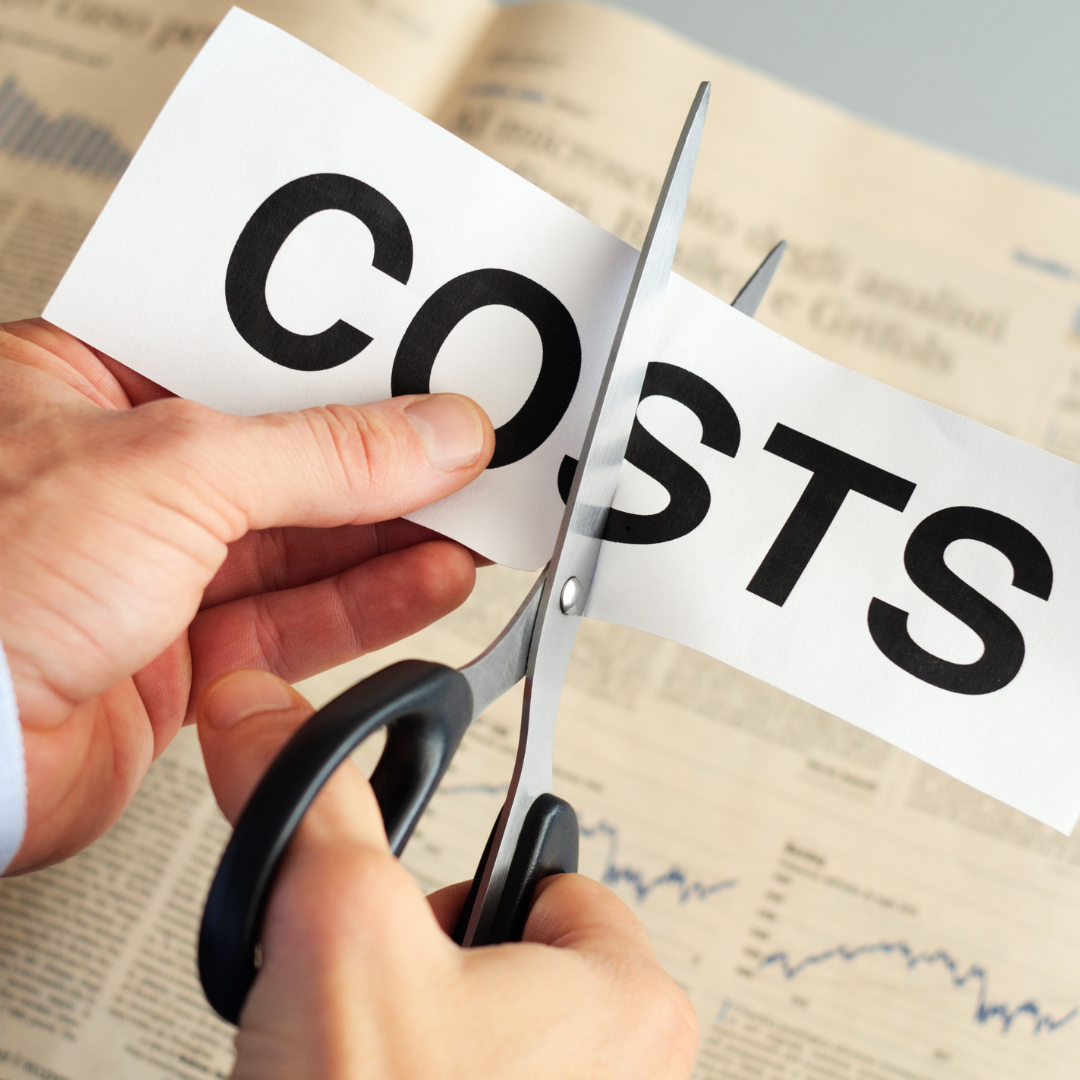
1. Drug Pricing: The cost of Ozempic can vary depending on factors such as dosage strength, quantity prescribed, and pharmacy pricing. As a brand-name medication, Ozempic may be more expensive than generic alternatives or other medications in the same therapeutic class.

2. Insurance Coverage: Many health insurance plans provide coverage for prescription medications, including Ozempic, which can help offset the cost for patients. However, coverage policies and copayments may vary depending on the specific insurance plan and formulary.

3. Patient Assistance Programs: Some pharmaceutical companies offer patient assistance programs or savings cards to help eligible patients afford their medications. These programs may provide discounts, rebates, or other financial assistance to reduce out-of-pocket costs for Ozempic.

4. Out-of-Pocket Expenses: For patients without insurance coverage or who have high deductibles or copayments, the out-of-pocket cost of Ozempic can be substantial. This can pose a barrier to access for some individuals, particularly those with limited financial resources.

Strategies for Managing Expenses:

1. Insurance Optimization: Reviewing insurance coverage options and understanding formulary tiers and coverage limitations can help patients maximize their benefits and minimize out-of-pocket costs for Ozempic. Working with a healthcare provider or insurance specialist to navigate insurance coverage can be helpful in this process.

2. Generic Alternatives: While Ozempic is a brand-name medication, there may be generic alternatives or other medications in the same therapeutic class that offer comparable benefits at a lower cost. Discussing alternative treatment options with a healthcare provider can help patients find the most cost-effective solution for their needs.

3. Prescription Savings Programs: Utilizing prescription savings programs, manufacturer coupons, or patient assistance programs can help reduce the cost of Ozempic for eligible patients. These programs may provide discounts, rebates, or other financial incentives to make medication more affordable.

4. Lifestyle Modifications: In addition to medication, lifestyle modifications such as dietary changes, physical activity, stress management, and natural therapies may offer benefits for managing menopausal symptoms and overall health. Incorporating these approaches into a comprehensive health plan can help reduce reliance on medication and minimize healthcare expenses over time.

Exploring Alternative Approaches:

For women seeking cost-effective alternatives to Ozempic, natural and lifestyle-based approaches may offer viable options for managing menopausal symptoms and promoting overall health. These approaches focus on dietary modifications, physical activity, stress management, herbal remedies, and supplementation to address underlying health issues and support well-being without the financial burden of medication.

Conclusion:

While Ozempic may offer benefits for some individuals, understanding the cost and financial considerations associated with treatment is essential for making informed decisions about healthcare. By exploring strategies for managing expenses, optimizing insurance coverage, and considering alternative approaches, women can navigate menopause with confidence and embrace cost-effective solutions that promote long-term health and vitality. As always, it’s important to consult with a qualified healthcare provider to discuss treatment options and develop a personalized health plan that meets individual needs and preferences. With a proactive approach to healthcare management, women can optimize their well-being during the menopausal transition and beyond, without breaking the bank.

    Leave a Reply

    Your email address will not be published. Required fields are marked *

    Keto Bundle

    Get all 4 eBooks for only $9.99. The Bundle Includes:
    • Ketogenic Diet 101
    • Carb Cycling
    • Intermittent Fasting Formula
    • Keto Cookbook

    Keto For Menopause

    A Supportive Community of Women
    The ketogenic diet, often referred to as the keto diet, may offer benefits for women going through menopause. Some of these potential benefits include increased insulin sensitivity, decreased weight gain, and reduced symptoms such as hot flashes. However, it's important to remember that no diet can reverse or stop menopause. Instead, the Keto diet may help manage some menopausal symptoms by controlling hormone imbalances!

    Featured Posts

    Discover the Power of Keto During Menopause

    Embarking on a journey towards weight loss during menopause can be challenging, but not with our 'Easy Keto' guide. This comprehensive guide demystifies the ketogenic diet, explaining how it works so you can turn your body into a fat-burning machine without feeling any hunger pangs.
    • Understand the science behind the ketogenic diet and how it aids in weight loss
    • Learn about the potential benefits and side effects of a keto diet during menopause
    • Get a clear glimpse of how you can transform your life by embracing the keto lifestyle
    • Gain insights into the power of ketosis for effective weight management

    Frequently asked questions

    The ketogenic diet, while not specifically designed for menopause, is generally considered safe for most people, including those going through menopause. However, no studies have directly looked at whether keto helps with estrogen levels and other menopausal hormones. It's always important to consult with a healthcare professional before starting any new diet plan, especially during a significant life change like menopause.

    The time it takes to see results can vary greatly from person to person, as it depends on various factors such as your starting weight, metabolic rate, and adherence to the diet. Some people may start to see changes within a few weeks, while others may take several months.

    Some people on the keto diet have reported a reduction in their hot flashes1, and a very low-carb diet can ease the effects of hormonal changes in women. However, more research is needed to confirm these anecdotal reports.

    The kind of support you can expect will depend on the resources you choose to use. Some programs offer online communities, one-on-one coaching, meal plans, and other resources to help you stay on track.

    Yes, it's possible to switch between different diet plans. However, it's recommended to stick with one plan for at least a few months to give your body time to adjust and to accurately assess its effects.

    Yes, there can be side effects when starting a ketogenic diet, often referred to as the "keto flu." These may include fatigue, headache, irritability, difficulty focusing ("brain fog"), lack of motivation, dizziness, and sugar cravings. These symptoms typically last a few days to a few weeks.

    Keto for Menopause | ketoformenopause.com helps you transform a ketogenic diet into a simple and sustainable lifestyle. Nothing written on the website is a substitute for medical advice or medical treatment. The information provided on the site is for educational and informational purposes only and should not be taken as medical advice. Before undertaking a new lifestyle change, we encourage you to seek a qualified health care professional. Please consult your doctor for any medical questions.
    © 2023 Keto For Menopause. All rights reserved.
    Privacy Policy Disclaimer Terms & Conditions Cookie Policy Powered by Evolve Marketing & Web Agency

    Get your FREE copy of Easy Keto

    Enter your email below and we'll send it to you straight away. Don't forget to check your junk/spam folder and add ketoformenopause.com to your trusted contacts!